
Client billing · 6 min read
Quote vs. Invoice: From Approval to Payment
A practical guide to quotes and invoices: what each is for, how to hand off between them, and how to bill deposits and milestones cleanly.
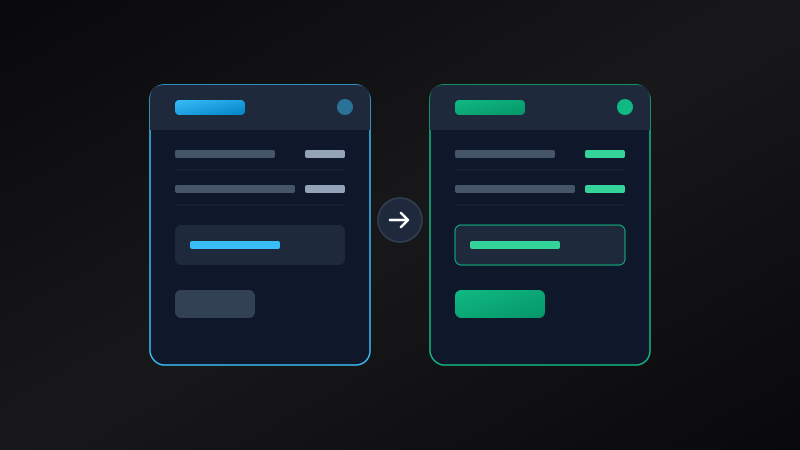
Quotes and invoices often list the same details: the client’s name, the services, and the amounts. That similarity is why people mix them up. Yet they belong to different moments in a project. A quote comes before work starts and answers ‘what will this cost?’ An invoice comes after an agreed trigger and answers ‘what is due now?’
Keeping that distinction visible makes approvals faster, protects you if a scope disagreement arises, and gives the client’s finance team what it needs to pay. This guide uses a photography project as an example, though the same flow applies to most service work.
Worked example
Brand photography for a product launch
A photographer sends a quote before booking and an invoice after the agreed milestone. The description stays aligned, while the document purpose changes.
- Quote
- One shoot day + edited image set — proposed total $1,200
- Approval
- Client accepts scope and pays a 40% booking deposit
- Invoice
- Deposit invoice $480; final invoice $720 after delivery
Original diagram
A clean client-billing handoff
- 1Quote: What will this cost?
- 2Approval: Do we agree?
- 3Invoice: What is due now?
- 4Receipt or record: Was it paid?
What a quote is for
A quote gives the client a price and scope before work begins. Include how long the price is valid, what is included, and what would change the price. Once the client approves, keep the accepted quote with the project records.
What an invoice is for
An invoice should reference the delivered work or agreed milestone and state a due date. It should not surprise the client with an unexplained amount. If the scope changed, explain the approved change separately and make the line items easy to recognize.
Common mistakes to avoid
Mixing up quotes and invoices, sending an invoice before the agreed trigger, adding surprise charges that the client never approved, and failing to reference the accepted quote on the invoice.
- Match the client name on the quote and invoice.
- Reference the accepted quote or project code if useful.
- Invoice only the approved milestone or final amount.
- Keep the payment instructions consistent.
When scope changes mid-project
Record the change in writing, get the client’s approval, and reflect it on the next invoice as a clearly labeled line. Do not add surprise charges that the client never saw.
Deposits and milestone invoices
For deposits, label the invoice clearly as a deposit and state the balance due date. For milestones, describe the milestone reached and the remaining contract balance. Each invoice should reference the master project contract.
Common questions
Helpful clarifications
Can I turn a quote into an invoice?
Yes. Reuse the approved scope and client details, then change the document type and add an invoice number, issue date, due date, and payment instructions. Only bill what the client actually approved.
Is a quote legally binding?
It depends on the country and on the wording. Many quotes become binding once the client accepts them, especially if they state a validity period. State the terms clearly and check local rules if you are unsure.
Is a quote proof of payment?
No. A quote is a proposal. After payment, keep a receipt, bank record, or confirmation as proof.
How long should a quote remain valid?
Thirty days is common, but choose a period that reflects how quickly your costs or availability could change. Print the expiry date on the quote so nobody has to guess.
What is the difference between a quote and an estimate?
An estimate is an approximate cost that may change, while a quote is a fixed price for a defined scope. Label the document accurately so the client knows which one they are receiving.
What if the scope changes after the quote is accepted?
Record the change in writing, get the client’s approval, and reflect it on the next invoice as a clearly labeled line. Do not add surprise charges that the client never saw.