Freelancing & Services · 7 min read
Freelance Billing: Set Up a Clean Invoicing System
Set up a freelance billing system that gets you paid: clear terms, consistent invoices, simple tracking, and records that stay audit-ready.
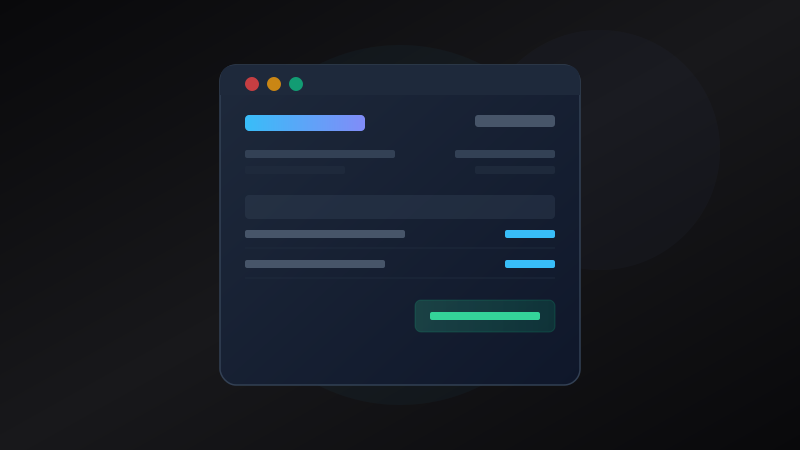
Freelancing means you are also the finance department. Nobody reminds you to invoice, checks your totals, or chases the payment that is three days late. When billing is improvised, the usual symptoms appear: missing dates, inconsistent layouts, forgotten hours, and invoices sent a week later than they should have been.
A small, repeatable system fixes most of that. This guide covers the essentials: what to agree first, how to build each invoice, how to track what is owed, and how to keep records that will make tax season easier.
Worked example
A monthly design retainer invoice
A digital illustrator bills a marketing agency for monthly retainer hours using a clean invoicing workflow.
- Line item
- UX wireframes and visual assets, 20 hours at 85 per hour
- Service period
- 1 to 31 August 2026
- Subtotal
- 1,700.00
- Payment terms
- Net 14, due 8 September 2026
- Reference
- Agency purchase order number and invoice number
Original diagram
The freelance invoicing lifecycle
- 1Track deliverable scope
- 2Generate PDF invoice
- 3Send with payment instructions
- 4Log payment record
Start before the first invoice
Agree payment terms, hourly rates or project fees, and the billing trigger before work begins. A short written agreement or an approved quote prevents most billing disputes later.
- Confirm the terms were agreed before starting work.
- Use the client’s required purchase-order reference if they have one.
- Send the invoice to the person or mailbox that handles payments.
- Keep a copy of the sent PDF and the date it was issued.
Choosing a tool that fits
A basic invoice can be built in a spreadsheet or word processor, and for your first one or two, that is often the easiest way to learn the fields. Once you are invoicing regularly, a dedicated invoice generator saves time by keeping your business details and client list on hand, numbering invoices automatically, calculating totals, and exporting a clean PDF straight from the browser.
Payment terms for solo professionals
Shorter terms such as due on receipt, Net 7, or Net 14 protect cash flow, and a deposit suits new clients and larger projects. Agree the terms in writing before work starts. Long payment terms can hurt a freelancer’s cash flow.
Common freelance billing mistakes
Using a vague description like “services rendered” instead of naming the actual work, forgetting to include a due date, reusing an old invoice number by accident, leaving tax out of the total, and not saving a copy before sending.
Keep records that survive tax season
Retention periods depend on your country and situation, and are often several years. Keep every invoice, credit note, and payment record, and ask a local accountant for the exact period.
Common questions
Helpful clarifications
What should a freelance invoice include?
Your name or business name and contact details, the client’s billing details, a unique invoice number, the issue and due dates, itemized work with rates, any taxes, the total due, and payment instructions. Add a purchase order number if the client uses one.
How soon should I invoice after finishing work?
As soon as the agreed trigger is met, whether that is delivery, a milestone, or the end of the billing period. Prompt invoicing keeps the work fresh in the client’s mind and shortens the wait for payment.
Which payment terms suit freelancers?
Shorter terms such as due on receipt, Net 7, or Net 14 protect cash flow, and a deposit suits new clients and larger projects. Agree the terms in writing before work starts.
Should freelancers charge late fees?
It can be reasonable, but only if the fee is stated in your contract or quote before the work begins. Rules on late fees and interest vary by country, so check what applies to you.
Do I need accounting software as a freelancer?
Not always. A simple invoice tool plus an organized folder or spreadsheet can be enough at first. Consider dedicated accounting software when volume, tax complexity, or the number of clients grows.
How long should I keep freelance invoices?
Retention periods depend on your country and situation, and are often several years. Keep every invoice, credit note, and payment record, and ask a local accountant for the exact period.