
Getting Paid · 7 min read
Late Payments: Polite Follow-Ups That Get Invoices Paid
Recover late payments without souring client relationships. A reminder schedule, email wording, escalation steps, and answers to common questions.
Chasing payment is one of the least enjoyable parts of running a business. It can feel awkward, especially when the client is friendly and the work went well. The good news is that most overdue invoices come from ordinary causes: an email that landed in the wrong inbox, an approval that is stuck, or a purchase order number that was missing. The bad news is that silence makes those problems last longer.
A calm, structured follow-up plan solves both. It removes the emotion, gives you clear steps, and shows the client that you take your invoices seriously. This guide sets out a schedule, sample wording, and a sensible escalation path.
Worked example
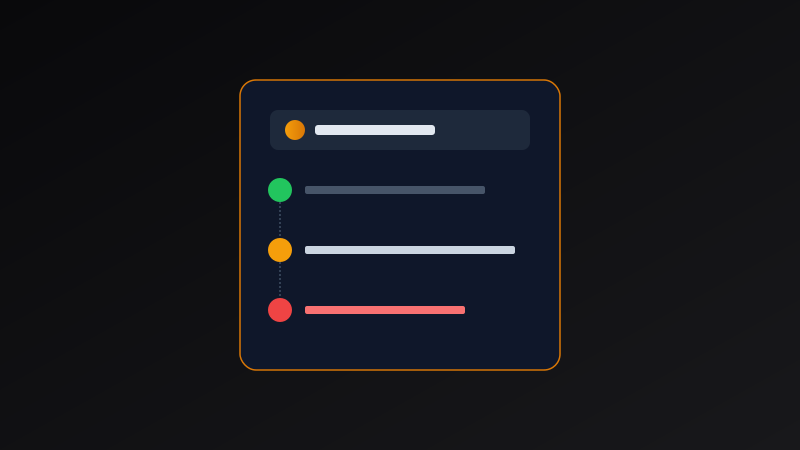
A three-stage follow-up timeline
How an agency manages late payment recovery.
- Friendly reminder
- A few days before the due date, or on it — confirm receipt and prevent oversights
- Direct follow-up
- About a week after the due date — re-attach the invoice and ask for a payment date
- Formal notice
- About two weeks after the due date — state the amount, refer to the agreed terms, and set a clear deadline
Original diagram
Payment recovery decision tree
- 1Invoice due date arrives
- 2Send courteous reminder (Day 3)
- 3Verify account contact and PO (Day 7)
- 4Apply agreed late fee (Day 14+)
Why invoices go unpaid
Most overdue invoices are not caused by client bad faith. They happen because an email landed in the wrong inbox, an approval is stuck, or a purchase order number was missing. Silence makes those problems last longer.
Prevention: the best follow-up is the one you never send
Send the invoice to the correct contact, include all required references, and confirm receipt. A short check-in when the invoice is due can prevent most delays.
What to check before you send a reminder
Check that the invoice was originally sent to the correct contact. Verify whether a required PO number was omitted. Re-attach the original PDF to every reminder. Keep detailed records of all payment reminder correspondence.
- Check that the invoice was originally sent to the correct contact.
- Verify whether a required PO number was omitted.
- Re-attach the original PDF to every reminder.
- Keep detailed records of all payment reminder correspondence.
Writing a good reminder email
Keep your tone professional, concise, and calm. State the invoice number, original due date, total amount outstanding, and direct payment link. Avoid emotional language, focusing purely on factual contract details.
Escalating without burning bridges
Try a phone call to the finance contact, confirm the invoice reached the right person, and follow the escalation steps in your contract. Pausing further work or sending a formal written notice are common next steps.
Common questions
Helpful clarifications
When should I send the first payment reminder?
A friendly note a few days before the due date works well, and a brief reminder on the due date if nothing has arrived. Being early and polite catches most oversights.
What should a payment reminder email include?
The invoice number, the original due date, the amount outstanding, and a payment link or instructions. Attach the invoice again and keep the tone factual and courteous.
What should I do if a client ignores several reminders?
Try a phone call to the finance contact, confirm the invoice reached the right person, and follow the escalation steps in your contract. Pausing further work or sending a formal written notice are common next steps.
Can I charge a late fee or interest?
Often yes, but only if you agreed it in writing before the work began, and rules differ by country. Check the local requirements before adding one.
How do I tell a late payer from a disputed invoice?
A late payer has not paid but does not disagree with the amount. A disputed invoice involves a disagreement about the work or the total, and it needs a conversation instead of a reminder.
When should I involve a collection agency or lawyer?
Usually only after your reminders and formal notices have failed and the amount justifies the cost. Get local advice first, because the rules and costs vary.